
Concrete removal can appear straightforward, yet each project places different demands on access, equipment, safety, and cleanup. A cracked driveway, an ageing patio, or a worn path may hide reinforcement, uneven depth, or buried services. Most property owners benefit from knowing how the work will unfold before machines arrive. That early understanding helps reduce stress, limits avoidable delays, and gives everyone clearer expectations from the first inspection through the final sweep.
Why Scope Matters
Site Inspection Basics
A site visit usually begins with measurements, visible cracking, edge condition, and drainage patterns around the slab. Contractors also check fence openings, wall clearance, tree roots, and machine entry points. Hidden obstacles can change the approach quickly. Careful inspection supports safer scheduling, more accurate quoting, and fewer surprises after cutting or breaking begins.
Permits and Service Checks
Some locations require permits for skip bins, footpath access, or temporary traffic control near public areas. Service checks are just as important. Water lines, gas pipes, stormwater runs, or electrical conduits may sit beneath or beside the surface. Clear marking lowers the risk of strikes, repair costs, and unnecessary danger during removal.
How the Area Is Prepared
Preparation often starts with moving cars, outdoor furniture, planters, and any loose items near the work zone. Protective coverings may be placed over gates, windows, or garden edges. Barriers help keep residents clear of machinery and flying fragments. Dust suppression can also begin early, which supports cleaner air and better visibility while demolition is underway.
Breaking and Lifting the Slab
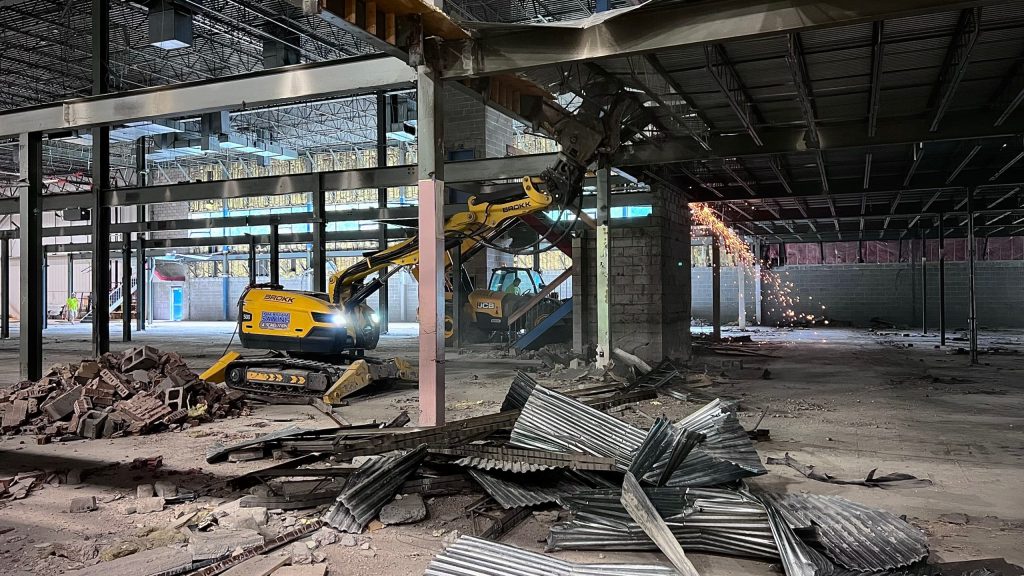
Removal usually starts with saw cuts that divide the slab into sections that can be controlled more safely. Breakers or small excavators then lift and separate those pieces. Reinforced concrete takes longer because steel mesh must be cut away before loading. Equipment choice depends on access width, structural condition, and the amount of precision the setting requires.
Noise, Dust, and Vibration
Noise is expected once breaking begins, even on a smaller residential block with good access. Dust levels vary with weather, slab dryness, and machine type. Water spray is often used to reduce airborne particles and improve sight lines. Vibration may also be felt near adjoining surfaces, which is why nearby structures are assessed before heavy work begins.
Waste Removal and Sorting
Broken material is usually cleared quickly, so the site stays safer and easier for people to move through during the job. Clean concrete can often be separated for recycling, depending on contamination and local disposal options. Mixed waste needs different handling. Prompt loading also reduces trip hazards, keeps access points open, and prevents rubble from spreading across driveways or garden beds.
What Affects Timing
Project length depends on size, reinforcement, access limits, weather, and the distance to disposal facilities. A narrow path may be removed within hours, while a large driveway can stretch across a full day or longer. Thick sections, old footings, or buried debris may slow progress. Realistic scheduling leaves room for those variables.
Ground Conditions After Removal
Once the slab is lifted, the exposed base often reveals issues that were hidden from view. Loose fill, old rubble, soft patches, or drainage faults may need attention before new work begins. All these factors matter for future paving, landscaping, or rebuilding. A stable, clean foundation supports better performance and helps the next stage proceed without avoidable setbacks.
Safety During the Project
Safety remains central because workers manage sharp fragments, heavy loads, moving equipment, and possible underground hazards throughout the job. Residents, children, and pets should stay clear of the active area. Protective gear, controlled entry points, and tidy housekeeping all reduce risk. Good site discipline also helps prevent minor incidents from becoming costly damage or injury.
Conclusion
A concrete removal project follows a clear sequence: inspection, preparation, demolition, waste handling, and base cleanup, with each step affecting safety and timing. Property owners who understand the order are better placed to compare quotes, ask useful questions, and prepare the site properly. In most cases, smoother outcomes come from early planning, careful service checks, and realistic expectations about noise, dust, access, and the condition of ground left behind.