Introduction
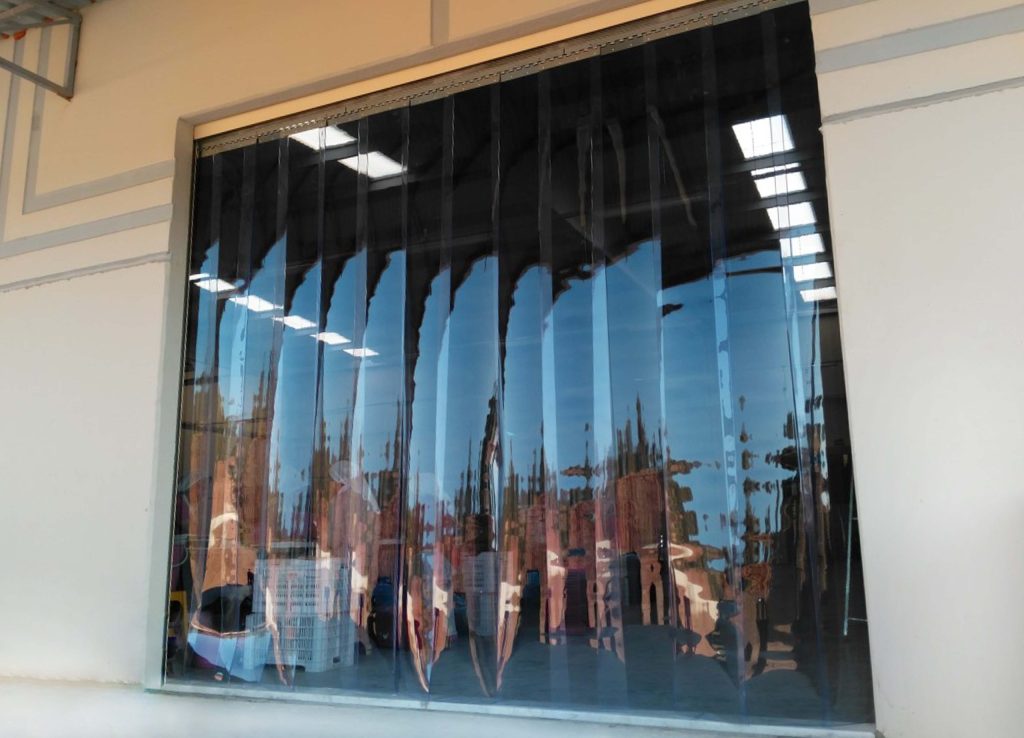
Energy costs rise quickly in industrial sites where doors open often, conditioned air escapes, and equipment runs longer than planned. Warehouses, food plants, and cold rooms feel this pressure every day. PVC strip curtains help control that loss with a simple barrier that stays in place during traffic flow. By limiting temperature drift, blocking dust, and reducing drafts, they support lower power use without slowing routine movement across busy openings.
Where Heat Loss Starts
Many facilities lose energy at internal and external doorways. Forklifts, pallet jacks, and staff movement keep openings active for long periods. Each opening lets cooled or heated air move into less controlled zones. For teams comparing door control options, pvc strip curtains in Australia are often assessed for cold rooms, loading points, kitchens, and production spaces where repeated access raises utility demand and weakens stable indoor conditions.
Air Exchange Drives Costs
Every doorway acts like a transfer point for air. Warm air enters chilled rooms, while cooled air spills out. That exchange forces refrigeration or heating systems to recover lost temperature. Recovery cycles increase run time, raise peak demand, and add wear to motors. A curtain barrier slows this movement, which reduces how hard climate equipment must work after each crossing.
Traffic Flow Matters
Solid doors save energy when they stay shut, yet many industrial openings cannot remain closed for long. Staff need visibility, quick passage, and fewer handling delays. PVC strips answer that need because they separate zones while allowing movement through the opening. Operations keep pace, and the barrier returns into place immediately after traffic passes.
Temperature Stability Supports Efficiency
Stable temperatures help compressors, fans, and heaters operate with fewer sudden corrections. Large swings force short cycling or long recovery periods, both of which waste electricity. Strip curtains soften those swings by limiting direct exposure between spaces. In cold storage, that control helps preserve set points. In ambient work areas, it reduces unwanted drafts that trigger extra heating demand.
H3: Cold Rooms See Clear Gains
Cold rooms often show the fastest payback because the temperature gap is wide. Escaping chilled air must be replaced, and incoming warm air raises product-side load. A flexible curtain lowers that exchange at the doorway. It can also reduce moisture entry, which helps limit frost buildup. Less frost means fewer defrost cycles, and that translates into lower electricity use over time.
Dust, Pests, and Cleanliness
Energy savings are the headline, yet secondary effects matter as well. Dust control supports cleaner evaporator coils and less strain on ventilation systems. Barrier protection also helps limit insects and birds in suitable settings, which can reduce cleaning interruptions. When work areas stay cleaner, equipment performance remains steadier, and sites avoid small operational losses that slowly raise total operating cost.
Measuring the Impact
Facilities can track results with simple before-and-after checks. Useful metrics include room temperature drift, compressor run hours, door-open duration, peak demand, and monthly power spend. Maintenance logs can also show changes in frost, seal wear, and service frequency. This practical data gives managers a clearer view of whether the curtain is reducing load and improving environmental control.
Fit, Material, and Layout Count
Performance depends on correct strip width, overlap, thickness, and mounting height. A poor fit leaves gaps that weaken control at the opening. Clear material improves sightlines, which supports safe movement through busy routes. Some sites use coloured or ribbed options for visibility or tougher contact conditions. Matching the curtain setup to traffic type helps maintain savings instead of creating avoidable losses.
Conclusion
PVC strip curtains help industrial facilities reduce energy costs by cutting air exchange, supporting temperature stability, and easing the workload on heating or refrigeration equipment. Their value grows in areas with frequent traffic and strong temperature differences, such as cold rooms and production zones. When the strips are fitted well and tracked against clear operating data, they offer a practical way to improve efficiency while keeping daily movement simple and consistent.