Blinds affect glare, heat, privacy, sleep, and the way a room feels at different hours. A sound choice starts with window size, direction, moisture, and daily use. Bedrooms often need darkness and thermal control. Kitchens need wipeable surfaces. Living spaces may need softened sunlight without losing daylight. This guide explains practical options so each room feels calmer, works harder, and supports ordinary household routines.
Start With the Room
Street-facing bedrooms, sunny family areas, and damp service rooms each place different demands on window coverings. Comparing blinds in Pakenham choices by fabric weight, control method, and privacy level helps match each room to real conditions. Morning glare, afternoon heat, and night exposure should be assessed before colour or finish.
Roller Blinds
Roller blinds suit homes that need clean lines and simple operation. One fabric panel rolls away neatly, leaving the window clear. Blockout cloth supports sleep and screen viewing. Light-filtering cloth softens daylight while keeping rooms open. Sunscreen material reduces glare and helps preserve daytime views. Cleaning is usually quick, which suits kitchens, studies, and busy family spaces.
Venetian Blinds
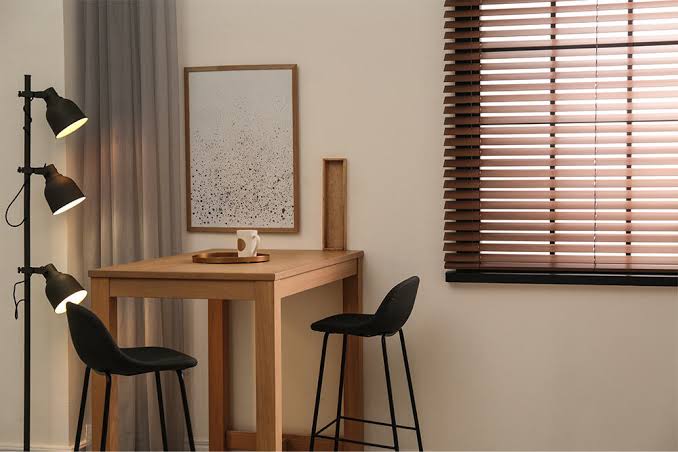
Venetian blinds offer fine control through adjustable horizontal slats. A slight tilt can admit daylight while shielding the room from outside view. Aluminium tolerates steam and splashes, making it useful in bathrooms, laundries, and kitchens. Timber brings warmth to studies and living areas. Faux wood gives a similar look with better moisture resistance in humid rooms.
Vertical Blinds
Vertical blinds work well on sliding doors, patio openings, and wide windows. Long blades draw sideways, so access stays easy. Rotation helps manage low sun across the day. Fabric versions soften broad glass areas. Hard-wearing finishes suit rentals, play spaces, and high-use rooms. They remain practical where the opening is wider than a standard window.
Roman Blinds
Roman blinds add softness without the weight of full curtains. Fabric folds lift in even layers, giving the window a furnished look. They suit bedrooms, dining rooms, and quieter living spaces. Lining can improve darkness, privacy, and heat retention. Plain cloth keeps the effect settled. Patterned fabric adds interest, but scale and repeat need care.
Cellular Blinds
Cellular blinds use honeycomb pockets that trap still air near the glass. This structure can reduce heat transfer, helping rooms feel steadier in summer and winter. They suit large windows, cool bedrooms, and areas with strong sun. Light-filtering styles keep daytime brightness gentle. Blockout versions support rest. A compact stack leaves more glass visible when raised.
Panel Glide Blinds
Panel glide blinds suit oversized openings, glass walls, and open-plan layouts. Broad fabric panels slide along a track, creating a clean vertical finish. They can replace vertical blinds where a calmer appearance is preferred. Some homes use them to separate zones. Because each panel covers a significant area, restrained colours usually age better than bold patterns.
Match Fabric to Light
Fabric choice directly changes comfort. Blockout material suits bedrooms, nurseries, and media rooms. Light-filtering cloth keeps brightness while easing glare. Sunscreen fabric can reduce ultraviolet exposure and heat during daylight. Darker tones may sharpen outward views. Pale colours reflect more light. Samples should be checked in morning and afternoon light before any order is placed.
Consider Maintenance
Cleaning needs should reflect household habits. Wet rooms require surfaces that tolerate moisture. Aluminium and faux wood wipe down more easily than textured cloth. Slatted styles collect dust along each blade. Roller and cellular designs may suit homes needing faster upkeep. Fabric coverings often need gentle vacuuming, spot treatment, and careful handling around food or stains.
Safety and Controls
Control choice affects safety, reach, and comfort. Cordless systems reduce strangulation hazards for children and pets. Wand controls keep operation predictable. Motorised blinds help with high windows, wide panes, and bedrooms where movement should be minimal. Timers can limit heat gain before rooms become hot. Reliable hardware should move smoothly, stay quiet, and feel secure.
Colour and Finish
Colour works best when it supports fixed finishes. White, warm grey, and soft neutral tones suit many interiors. Charcoal can frame a view and reduce visual glare. Timber tones add warmth near natural flooring or furniture. Textured fabric can soften rooms with hard surfaces. Samples should be viewed beside paint, flooring, cabinetry, and daylight.
Budget Planning
Cost depends on size, material, fabric grade, lining, and control type. Standard roller blinds often suit multiple rooms on a sensible budget. Roman, cellular, and motorised systems usually cost more because they require extra cloth or hardware. Higher spending may be justified for bedrooms, hot rooms, and large windows. Secondary spaces can often use simpler treatments.
Conclusion
The best blinds are chosen through room function, sun exposure, privacy needs, cleaning demands, and budget. Roller blinds offer neat practicality, Venetians give fine control, Romans add softness, and cellular styles help regulate temperature. Wide openings may suit vertical or panel glide systems. A measured selection makes rooms more comfortable each day. With suitable fabric, colour, and controls, window coverings can feel calm, useful, and natural at home.