Maintaining a clean and healthy home often begins with the condition of its carpets. Carpets are more than decorative features; they trap dust, allergens, and dirt, influencing indoor air quality. Choosing safe carpet cleaning products ensures that cleanliness does not come at the expense of health. Selecting the right product requires careful consideration of ingredients, environmental impact, and the specific needs of different carpet types.
Understanding Carpet Material
Carpets are made from a variety of fibers, including wool, nylon, polyester, and blends. Each material reacts differently to cleaning agents. Wool, for example, is delicate and can be damaged by harsh chemicals or high pH cleaners. Synthetic fibers may withstand stronger cleaning agents, but repeated use of aggressive products can still weaken fibers over time. Awareness of carpet material helps homeowners and cleaners choose products that protect the structure and longevity of the carpet.
Chemical Ingredients to Avoid
Certain chemical compounds are linked to health risks or carpet damage. Ammonia, bleach, and strong acids can remove stains effectively but may irritate the skin, respiratory system, and eyes. Phosphate-based cleaners, once common, can contribute to environmental pollution when disposed of improperly. Fragrance additives, dyes, and optical brighteners may create a pleasing appearance temporarily but can cause allergic reactions in sensitive individuals. Reading product labels carefully allows consumers to avoid harmful ingredients while still achieving effective cleaning results.
Benefits of Eco-Friendly Options
Eco-friendly carpet cleaning products have gained popularity due to their reduced health and environmental risks. These products typically use plant-based surfactants, biodegradable solvents, and natural enzymes to break down dirt and stains. They provide an effective alternative to chemical-heavy solutions without leaving harsh residues behind. Choosing environmentally responsible products contributes to better indoor air quality and reduces chemical exposure for children, pets, and adults.
Evaluating Product Safety Standards
Certifications and safety standards provide assurance about product reliability. Look for products labeled with recognized safety symbols, including those verified by independent laboratories or regulatory bodies. These labels indicate that products have undergone testing for toxicity, allergen potential, and environmental impact. While certifications are not a guarantee of complete safety, they offer a helpful reference point when comparing multiple options.
The Role of pH Levels
The acidity or alkalinity of a cleaning product significantly affects both the carpet and the people using it. Neutral pH products are generally safer for most carpet fibers and minimize the risk of skin irritation or respiratory discomfort. Alkaline products, while effective on grease or heavily soiled areas, may cause long-term fiber deterioration if used frequently. Acidic cleaners can damage natural fibers and should be reserved for specific stains or mineral deposits. Understanding pH levels assists in balancing cleaning efficiency with carpet preservation.
Spot Cleaning Considerations
Many stains and spills occur daily, requiring immediate attention. Spot cleaning products are convenient, but safety remains essential. Choose products that target specific stains without introducing harsh chemicals. Test any product on an inconspicuous area first to ensure it does not discolor or weaken the carpet fibers. Applying too much product can leave residues that attract dirt or create slip hazards. Proper technique, combined with safe cleaning solutions, ensures the stain is treated effectively without compromising carpet integrity.
Homemade Solutions: Pros and Cons
Some homeowners prefer homemade cleaning solutions using ingredients like vinegar, baking soda, or mild soap. These options can be less toxic and cost-effective, but they also carry limitations. Vinegar is acidic and may weaken certain fibers if used excessively. Baking soda absorbs odors but may not remove deeply embedded dirt or tough stains. Homemade solutions often require more labor and careful application. While safe in small quantities, they may not always replace professionally formulated products for extensive cleaning tasks.
Carpet Cleaning Equipment
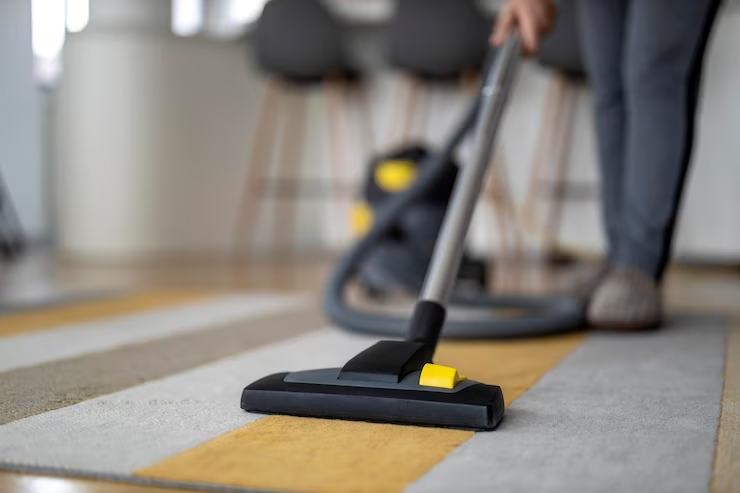
Product safety extends beyond chemical ingredients to the tools used in cleaning. Steam cleaners, vacuums, and extraction machines vary in heat, suction, and water usage. High-temperature steam can sanitize carpets effectively without chemicals, but excessive heat may shrink or distort delicate fibers. Proper maintenance of cleaning equipment ensures that carpets are treated safely and reduces the likelihood of spreading contaminants or residues. Combining safe products with appropriate equipment maximizes both hygiene and carpet longevity.
Pet and Child Safety
Homes with children or pets require extra caution. Small spills and stains are inevitable, and exposure to toxic chemicals can cause health issues. Many safe carpet cleaning products are labeled as pet- and child-friendly, indicating low toxicity and minimal risk if residues remain on the carpet. Even with safe products, thorough rinsing and drying are essential to minimize lingering chemicals. Prioritizing non-toxic solutions creates a safer environment for the most vulnerable occupants.
Professional Cleaning Options
While DIY cleaning offers convenience, professional services provide expertise in handling various carpet types and stains. Experienced cleaners understand which products are safe and effective. They also have access to commercial-grade, non-toxic solutions that may not be available to consumers. Choosing reputable providers, such as carpet cleaners in Ormeau, ensures that carpets are treated with safe methods while maintaining hygiene standards. Professional cleaning schedules can help prevent long-term damage and extend carpet lifespan.
Reading Labels and Instructions
Even safe products require careful application. Labels provide instructions regarding dilution, contact time, and ventilation. Following directions minimizes risks of overuse, residue buildup, or fiber damage. Using the correct amount prevents unnecessary exposure to chemicals while maximizing cleaning performance. Homeowners should also be aware of any warnings related to ingestion, skin contact, or inhalation, even with eco-friendly or low-toxicity products.
Storage and Disposal
Proper storage prevents accidents and prolongs product effectiveness. Keep cleaning products out of reach of children and pets, in a cool, dry location. Avoid mixing products, as chemical reactions may create harmful gases or residues. Disposal is equally important; do not pour excess chemicals into drains or waterways. Many communities provide safe disposal options for cleaning products, ensuring environmental protection and compliance with local regulations.
Regular Maintenance Practices
Routine carpet maintenance reduces the need for heavy chemical cleaning. Vacuuming frequently removes dust, allergens, and debris before they embed in fibers. Immediate attention to spills prevents permanent stains and reduces product usage. Using doormats and removing shoes in high-traffic areas also helps maintain cleanliness. Consistent, low-intensity cleaning minimizes reliance on stronger chemical solutions, creating a safer and healthier home environment.
Conclusion
Choosing safe carpet cleaning products is essential for health, environmental protection, and carpet longevity. Understanding material types, chemical ingredients, pH levels, and proper application techniques empowers homeowners and professional cleaners to make informed decisions. Eco-friendly options, child- and pet-safe products, and appropriate equipment provide a balanced approach to cleanliness without compromising safety. By prioritizing careful selection, correct usage, and regular maintenance, it is possible to maintain carpets that are clean, safe, and durable. Safe cleaning practices benefit everyone in the household and contribute to a healthier indoor environment.