The Importance of Professional Roof Inspections Before Restoration
Introduction
Roof restoration can improve protection, appearance, and property value, yet successful work begins before materials arrive. A professional inspection reveals hidden damage, weak structures, drainage faults, and surface wear. Without that assessment, owners may pay for unnecessary repairs or miss problems that later cause leaks. Auckland properties face strong sun, heavy rain, wind, and coastal moisture. An informed inspection creates a clear starting point, helping restoration work address genuine needs rather than visible symptoms alone.
Inspection Before Action
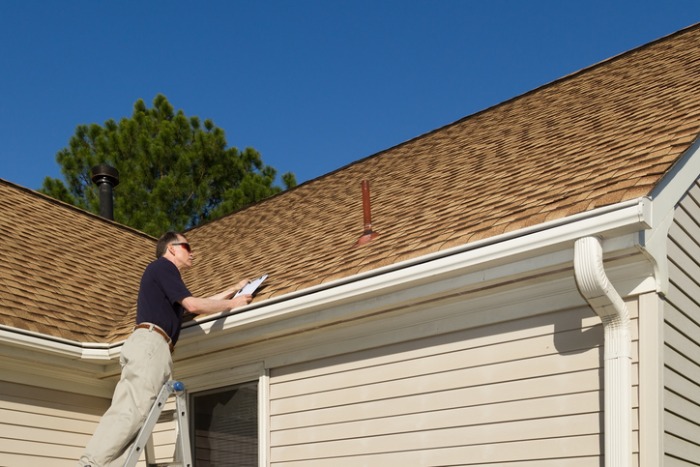
A qualified roofing team can assess whether a restoration is suitable or whether replacement offers better value. Property owners seeking a roof restoration service in Auckland should expect a written review covering visible defects, likely causes, material condition, and recommended work. That information supports sound budgeting, reduces surprises, and keeps the project focused on long-term roof performance.
Hidden Damage Detection
Surface marks rarely tell the whole story. Loose fasteners, cracked seals, rusted sheets, and damaged underlay may sit below clean-looking areas. Water can travel along framing before appearing inside a room. An inspection traces moisture paths and checks vulnerable junctions. Early detection allows repairs to target the source, instead of treating stains after damage has spread.
Structural Safety Checks
Roofing materials rely on sound support. Inspectors examine rafters, trusses, battens, penetrations, and connections for movement or deterioration. Sagging lines may indicate excess moisture, weakened timber, or poor past alterations. Identifying these concerns before restoration protects workers and occupants. It also prevents decorative improvements from covering a structural issue that requires immediate attention.
Material Condition Review
Different roof types require different restoration methods. Concrete tiles, metal sheets, membrane systems, and coated surfaces respond differently to cleaning, sealing, painting, and replacement. A professional review records age, thickness, corrosion, cracking, coating failure, and previous repairs. These details help determine which products suit the existing surface and which treatments could shorten its service life.
Drainage Performance
Blocked gutters and poorly positioned downpipes can undermine a restored roof. During an assessment, technicians check valleys, flashings, outlets, gutters, and discharge points. They look for ponding, overflow marks, leaf buildup, and incorrect falls. Good drainage moves rainwater away from walls and foundations. Correcting these faults can prevent recurring leaks after restoration work is complete.
Weather Exposure
Auckland roofs face changing conditions throughout the year. Wind can lift edges, rain can enter small gaps, and salt-laden air can speed corrosion near the coast. An inspection considers orientation, nearby trees, shaded sections, and exposure levels. This review helps contractors choose suitable coatings, fixings, sealants, and repair methods for each building’s setting.
Accurate Cost Planning
Restoration estimates become more useful when they reflect actual site conditions. An inspection separates urgent repairs from optional improvements, giving owners clearer financial priorities. It can also identify access needs, safety equipment, disposal requirements, and likely labour demands. Clear findings reduce provisional allowances and make competing quotes easier to compare fairly.
Better Restoration Scope
A detailed report turns broad concerns into defined tasks. It may recommend cleaning, rust treatment, fastener replacement, flashing repairs, coating application, or partial renewal. Each item should link to a recorded defect. This approach prevents vague scopes that leave important work outside the contract. It also creates a practical checklist for quality control during completion.
Compliance and Documentation
Professional assessments create useful records for owners, insurers, buyers, and future contractors. Photographs, measurements, moisture readings, and repair notes show the roof’s condition before work begins. Documentation can support consent checks or maintenance planning where required. It also provides a reference point for later inspections, helping teams track changes and confirm whether previous defects remain controlled.
Choosing a Qualified Inspector
Experience matters because small roofing faults can have several causes. A suitable inspector explains findings in plain language, identifies urgent risks, and distinguishes repairable damage from material failure. Independent photographs and itemised recommendations improve confidence in the proposed scope. Licensed building practitioners may also provide valuable guidance where structural work, weatherproofing, or significant alterations are involved.
Conclusion
A professional roof inspection gives restoration work a reliable foundation. It finds hidden defects, checks structural safety, reviews materials, tests drainage, and supports accurate costing. Auckland’s weather makes this preparation especially valuable because minor weaknesses can worsen quickly under rain and wind. Owners benefit from clear priorities, stronger documentation, and fewer unexpected expenses. By assessing the roof first, restoration becomes a planned investment in protection, performance, and lasting property care.