Modern interiors need more than visual appeal. Flooring affects comfort, acoustics, maintenance, and the way natural light moves through a room. Engineered oak offers a practical balance between these factors, combining a genuine timber surface with a carefully constructed base. Its grain brings warmth, while its dimensional stability supports everyday use. With appropriate installation and care, this flooring can provide a lasting foundation for homes, apartments, and professional spaces.
A Practical Foundation
Oak-engineered timber flooring combines a genuine oak surface with multiple timber layers beneath it. This arrangement helps boards respond more calmly to ordinary changes in indoor humidity and temperature. Such stability can reduce movement, gaps, and surface stress when the product suits the building conditions. The result is a floor that feels natural underfoot while offering dependable performance across changing seasons.
Layered Construction Supports Stability
Engineered boards commonly contain an oak wear layer fixed above cross-laminated timber components. Each layer runs in a different direction, limiting excessive expansion and contraction. A board measuring 15 millimetres thick, with a 4-millimetre oak surface, can provide useful depth for residential settings. The construction also suits renovation work, particularly where solid planks may create greater movement concerns.
Natural Grain Adds Visual Depth
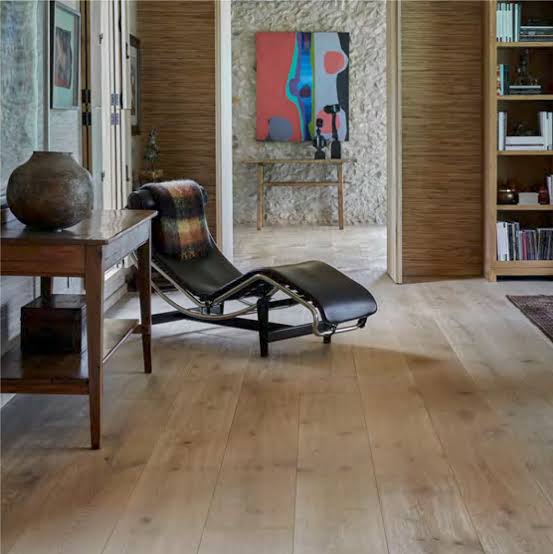
Oak brings visible variation through cathedral grain, fine lines, knots, and subtle tonal shifts. These features prevent large floor areas from appearing flat or manufactured. Wire-brushed surfaces draw attention to the timber pattern, while smooth finishes create a quieter appearance. Neither option needs excessive decoration because the material supplies its own texture and character.
Colours Suit Different Interior Styles
Pale oak reflects more light, which can help compact rooms appear brighter. Mid-range honey and natural shades add warmth beside neutral upholstery, stone, or painted joinery. Deep brown finishes establish stronger contrast against cream walls and lighter furnishings. Grey-washed boards suit restrained interiors, though too much grey can make a room feel colder.
Wide Boards Create Visual Calm
Plank dimensions influence how the eye reads a room. Wider boards create fewer joining lines, producing a calmer visual rhythm across open living areas. Sizes near 190 or 220 millimetres often suit contemporary floor plans, particularly where furniture remains simple. Longer lengths can also reduce interruption through corridors, dining zones, and connected family spaces.
Finishes Influence Daily Performance
The surface treatment affects appearance, cleaning, and future maintenance. A pre-finished board arrives with an even protective coating, reducing on-site preparation. Matte ultraviolet coatings limit glare and preserve a low-sheen appearance. Natural oil treatments provide a softer finish, while water-based lacquer forms a clearer barrier. Your choice should match household routines and expected traffic.
Suitable for Busy Households
Family homes experience dropped objects, tracked-in grit, spills, and frequent movement. A quality finish can reduce staining and everyday marks, as long as you remove moisture quickly. Grit deserves particular attention because it can act like an abrasive beneath footwear. Soft entry mats, protective pads, and regular sweeping help preserve the surface without creating an onerous cleaning schedule.
Works Across Multiple Rooms
One timber tone can link a lounge, dining area, bedroom, and hallway without visual breaks. This approach often makes smaller dwellings feel more continuous, while larger homes gain a clearer design language. Engineered boards may also suit apartments, studios, and offices. Assess the subfloor, acoustic requirements, moisture levels, and building rules first.
Installation Options Offer Flexibility
Tongue-and-groove joints remain common across many engineered products. Click systems can shorten placement time when the base is flat, clean, and dry. Floating installation may reduce adhesive requirements, whereas direct fixing can provide a more solid response underfoot. A professional assessment remains important because poor preparation can cause movement, noise, or premature joint failure.
Maintenance Can Remain Straightforward
A sensible routine protects both the oak surface and its coating. Vacuum heads with soft bristles remove grit without dragging particles across the boards. Felt pads reduce pressure marks beneath chairs and tables. Entrance mats help control water and soil near doors. Excess liquid, abrasive powders, and unsuitable chemicals can damage the finish, so use approved cleaning products.
A Considered Material Choice
Engineered flooring uses a real oak surface without requiring a solid oak plank through the full board depth. That construction can use timber resources more efficiently, particularly when materials come from traceable suppliers. Environmental value still depends on sustainable forestry practices, manufacturing, transport, and product lifespan. Buyers should examine those details rather than judge sustainability from appearance alone.
Conclusion
Engineered oak flooring offers a measured combination of natural beauty, structural stability, and manageable care. Its layered base can moderate timber movement, while the oak surface introduces grain, warmth, and tactile interest. You can choose colour, width, finish, and installation method based on room size, household activity, and design intent. With sound preparation and routine maintenance, the floor can remain comfortable, attractive, and useful for many years.