Natural timber flooring adds warmth and beauty to any space. However, as with any choice, taking the time to weigh a few items will go a long way towards the happiness and permanent satisfaction of what that house looks like.
What is Timber Flooring?
‘Timber flooring’ refers to any flooring product manufactured from timber. It is used for structural or aesthetic purposes in homes and commercial buildings. There are multiple reputed providers of timber flooring in Melbourne that you can source it from. But before installing timber flooring in your spaces, it is crucial to keep the following factors in mind.
Assessing the Subfloor Condition
It is crucial to inspect the subfloor prior to installation. Improper installation can lead to lifting and creaking sounds later, which can be prevented by ensuring a flat, dry, and stable base with properly adjusted timber planks.
Moisture Content and Climate Suitability
Timber reacts to changes in moisture and temperature. Making sure the wood is appropriate for the local climatic conditions inhibits the chances of warping, swelling, or gaps appearing sometime later.
Types of Timber Flooring
There are different varieties of timber flooring available today, namely solid hardwood, engineered wood, and bamboo. They have different durability, looks, prices, advantages, and disadvantages.
Durability and Hardness Ratings
Not all timber species are created equal when it comes to toughness. By revisiting the hardness rating of each option, a material can be chosen that is best suited for high or low-traffic zones.
Aesthetic Preferences
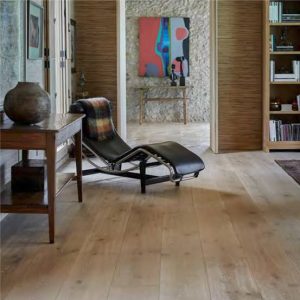
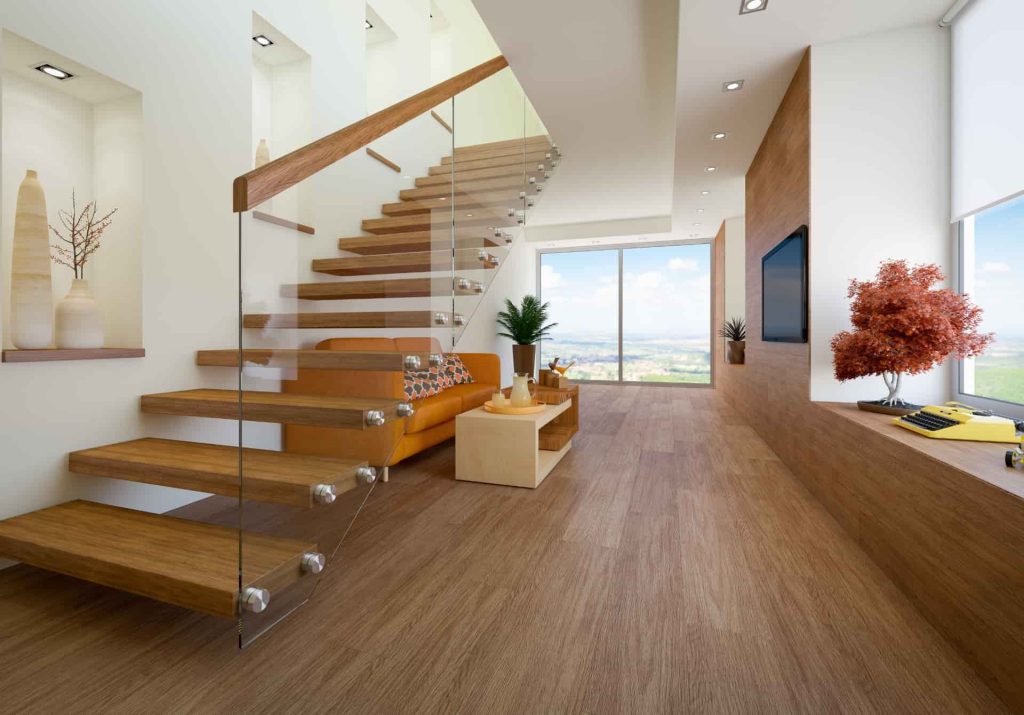
Colour, grain pattern, and finish play a significant role in setting the ambience of a space. Consider the intended location for the flooring installation and the desired aesthetic appearance to ensure it complements the overall design of the space.
Installation Methods
Timber flooring can be installed using nail-down, glue-down, or floating methods. A stable timber will have a matching method that corresponds with both the timber type and the appropriate floor conditions.
Maintenance Requirements
Maintenance involves taking proper care of timber floors so that they retain their look. Knowledge of cleaning methods and what products to use helps maintain the surface at its best.
Budget and Cost Considerations
Evaluating the whole investment required includes calculating material expenses, installation costs, and future maintenance costs. An unambiguous budget helps you in decision-making and prevents unforeseen financial pressure.
Environmental Impact
Buying timber means supporting the ecological management of forests. Certification labels help prospective buyers identify products that conform to environmental standards and contribute to conservation.
Acoustic Performance
Timber flooring can be louder than other surfaces. Underlay options or acoustic treatments help to eliminate noise transfer between rooms and create a better experience.
Allergy Friendliness
Smooth surfaces are less likely to trap dust and allergens compared to textured materials like carpets. This quality is beneficial for individuals who are sensitive to indoor air quality, as it helps maintain a cleaner and healthier living environment.
Room Usage and Location
Material selection is driven by the functionality and usage of each room. Moisture-rich locations like kitchens or washrooms might need particular water-resistant timber varieties
Professional Installation Versus DIY
Some homeowners may feel they can lay flooring well, but most installers will provide faster and more consistent results. Ultimately, this decision is based on your skill level and the time you can devote to the experience.
Warranty and Long-Term Value
Warranties are common among manufacturers for some possible defects or a shorter-than-expected lifetime of parts. The selection process becomes easier with an understanding of warranty terms and average lifespan.
Expansion and Contraction Allowances
Wood expands and contracts naturally with temperature and humidity changes. Proper spacing during installation allows room for this movement and avoids destructive friction.
Finishing Options
There are many different finishes available, including oil, lacquer, or polyurethane, each providing a different level of sheen and protection. Selecting an appropriate finish influences the aesthetics and durability of the floor covering.
Sourcing and Availability
Cost and timeframe are dictated by the local availability of timber species. It is more convenient and better to source material from local suppliers.
Resale Value Impact
Timber flooring naturally attracts many prospective buyers. When considering reselling your property, quality timber can increase its value and appeal.
Sustainability of Maintenance
Certain types of timber flooring can be sanded every few years and refinished. Consider ongoing care and restoration to ensure your floor maintains its great appearance for years to come.
Conclusion
There are several aspects to consider before installing timber flooring. With careful consideration and a little discretion, you can create an attractive floor that will withstand the tests of time and look amazing in any home.