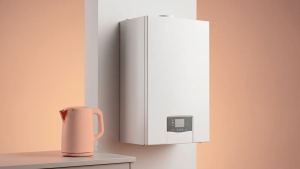
How to Improve Home Heating Efficiency With an Electric Combi Boiler

Introduction
An electric combi boiler can provide space heating and hot water from one compact unit, but efficient operation depends on more than its nameplate rating. Household routines, controls, insulation, and equipment size all affect electricity use. Small adjustments can reduce avoidable demand without making rooms uncomfortable. A useful plan begins with the system itself, then checks how heat is generated, distributed, and controlled throughout the home over a typical heating season.
Understand the System
Knowing how equipment responds helps households identify where energy may be wasted. What is an electric combi boiler and how does it work? This type of unit combines central heating with hot-water production, usually without a separate storage cylinder. Its electrical element heats water on demand or for circulation, depending on the model. The manual explains its controls, operating modes, and recommended settings.
Check the Boiler Size
A unit that is too powerful for the property may cycle frequently, while an undersized model can struggle during cold periods. A qualified installer can assess heat loss, room size, insulation, and hot-water demand before recommending capacity. Household members should share details about typical shower use and occupancy. Correct sizing supports comfort and helps prevent unnecessary electricity consumption from an unsuitable setup.
Use Controls Precisely
A programmable thermostat can match heating periods to daily routines. Setting rooms to warm shortly before occupancy avoids heating an empty home for long stretches. Thermostatic radiator valves can also reduce output in less-used spaces, where fitted. A steady schedule is often easier to manage than repeated manual adjustments. The boiler instructions should guide control settings, since features differ between models.
Adjust Heating Temperatures
Lowering the central-heating flow temperature may improve efficiency, provided rooms still reach a comfortable level. The flow setting controls how hot water leaving the boiler becomes, while the thermostat measures indoor temperature. These settings have different purposes and should not be confused. Small changes, followed by observation over several days, help identify a practical balance. Manufacturer guidance should take priority where specific limits apply.
Reduce Heat Loss
Insulation and draught control reduce the amount of warmth a home needs. Sealing gaps around doors, windows, and pipework can limit cold air entering and heated air escaping. Loft insulation and suitable wall improvements may offer larger gains, though results depend on the building. Closing curtains after dark can help retain warmth. Addressing heat loss may allow lower settings without reducing comfort.
Manage Hot-Water Use
Combi systems heat water as needed, so demand still affects electricity use. Shorter showers and fully loaded dishwashers can reduce repeated hot-water draws. Repairing dripping hot taps also prevents wasted heated water. If the unit has a preheat function, the manual can explain whether it suits household habits. Turning that feature off may reduce standby use, but could increase the wait for hot water.
Review Electricity Costs
The unit’s efficiency and the household electricity tariff both shape running costs. A time-of-use plan may offer lower rates during set periods, but savings depend on when heating and hot-water demand occur. Households should compare the tariff’s rates, standing charge, and terms before switching. A smart meter can help reveal consumption patterns, while regular bills show whether changes are reducing costs over time.
Keep Equipment Maintained
Periodic checks can identify problems that make heating less effective. An authorised professional should inspect the boiler according to manufacturer advice and local requirements. Household members can keep vents clear, watch for warning indicators, and report unusual noises or inconsistent heating. Repairs should be handled by a qualified person. Good maintenance supports safe operation, but cannot compensate for poor insulation or incorrect sizing.
Track Results
A simple record makes adjustments easier to assess. Note thermostat settings, heating hours, weather conditions, and monthly electricity use. Comparing similar periods can show whether a change has reduced demand, though colder weather or extra occupants may affect results. Change one setting at a time, then allow several days for comfort and consumption patterns to settle. This approach helps separate useful improvements from guesswork.
Conclusion
Better heating efficiency comes from matching equipment operation to the home’s needs. Correct sizing, thoughtful thermostat schedules, lower suitable flow temperatures, and reduced heat loss can all help limit avoidable electricity use. Efficient hot-water habits and a suitable tariff add further control. Professional advice remains important for installation, servicing, and technical settings. With careful adjustments and simple tracking, households can maintain comfort while making more informed decisions about energy consumption.